What Age Should a Child Start Martial Arts?
Introduction
Determining the right age for a child to start martial arts is a question many parents ponder. At Impact Martial Arts in Austin, TX, the recommended starting age is as young as three years old. These early experiences can set a foundation for personal growth that extends beyond physical benefits.
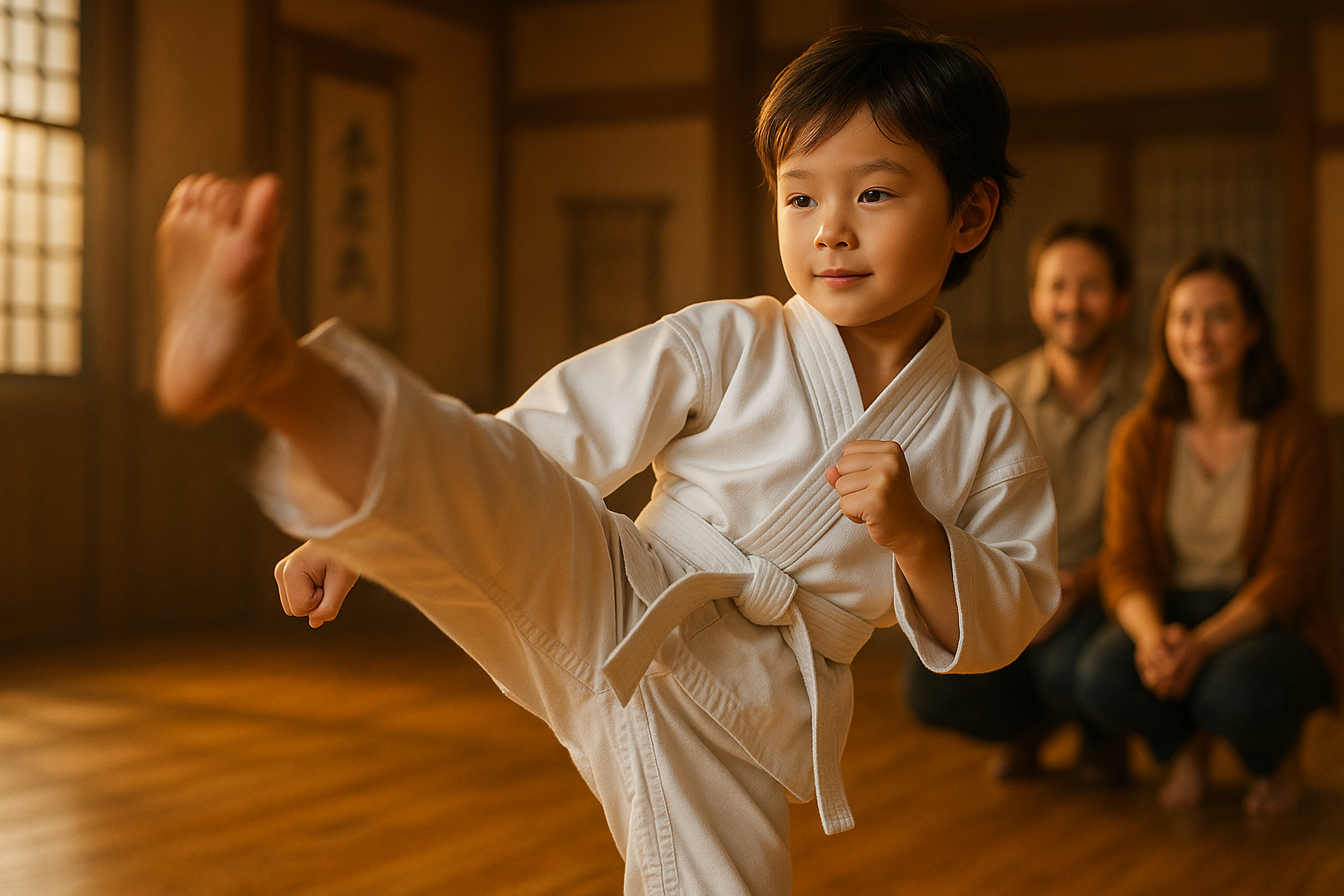
Consider the story of Lily, a three-year-old whose parents enrolled her in the Little Dragons program. Over time, Lily's focus and confidence improved, illustrating how martial arts training can positively impact a child's development. According to experts, engaging in martial arts can enhance discipline, respect, and resilience, nurturing both body and mind.
In this article, we will explore key concepts such as the benefits of starting early, common concerns, and how different age groups can benefit from martial arts. We'll also highlight the unique advantages of choosing Impact Martial Arts in Austin, a trusted institution with over 20 years of experience.
Understanding what age a child should start martial arts will help guide you to make an informed decision, ensuring your child reaps the maximum benefits of this discipline.
Understanding Martial Arts in Childhood
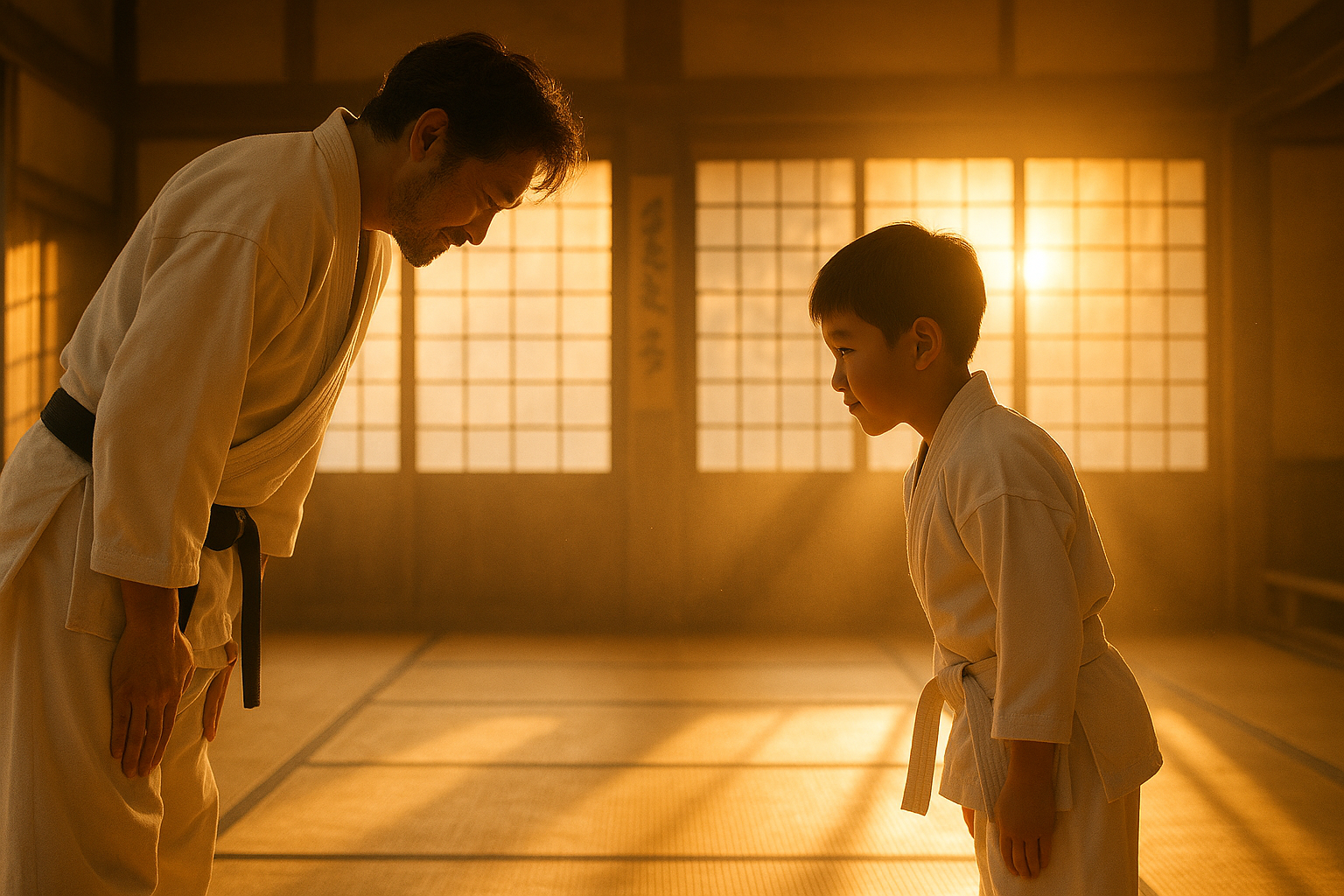
Martial arts are more than just physical activities; they are a structured approach to personal development. For children, starting martial arts at a young age helps in building foundational life skills.
By introducing martial arts early, children gain a range of developmental advantages. This matters because skills such as focus, confidence, and discipline acquired through martial arts pave the way for future academic and personal success.
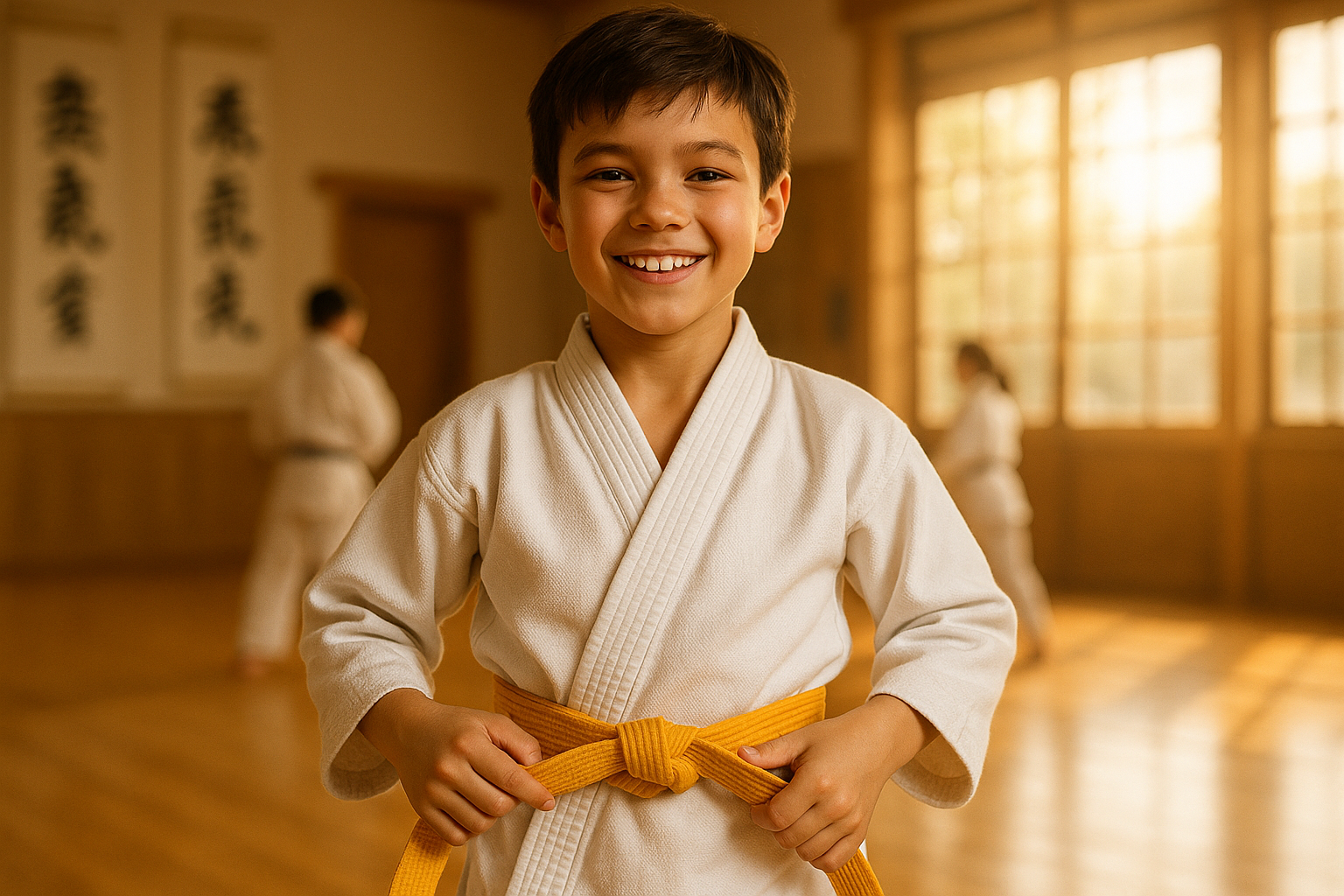
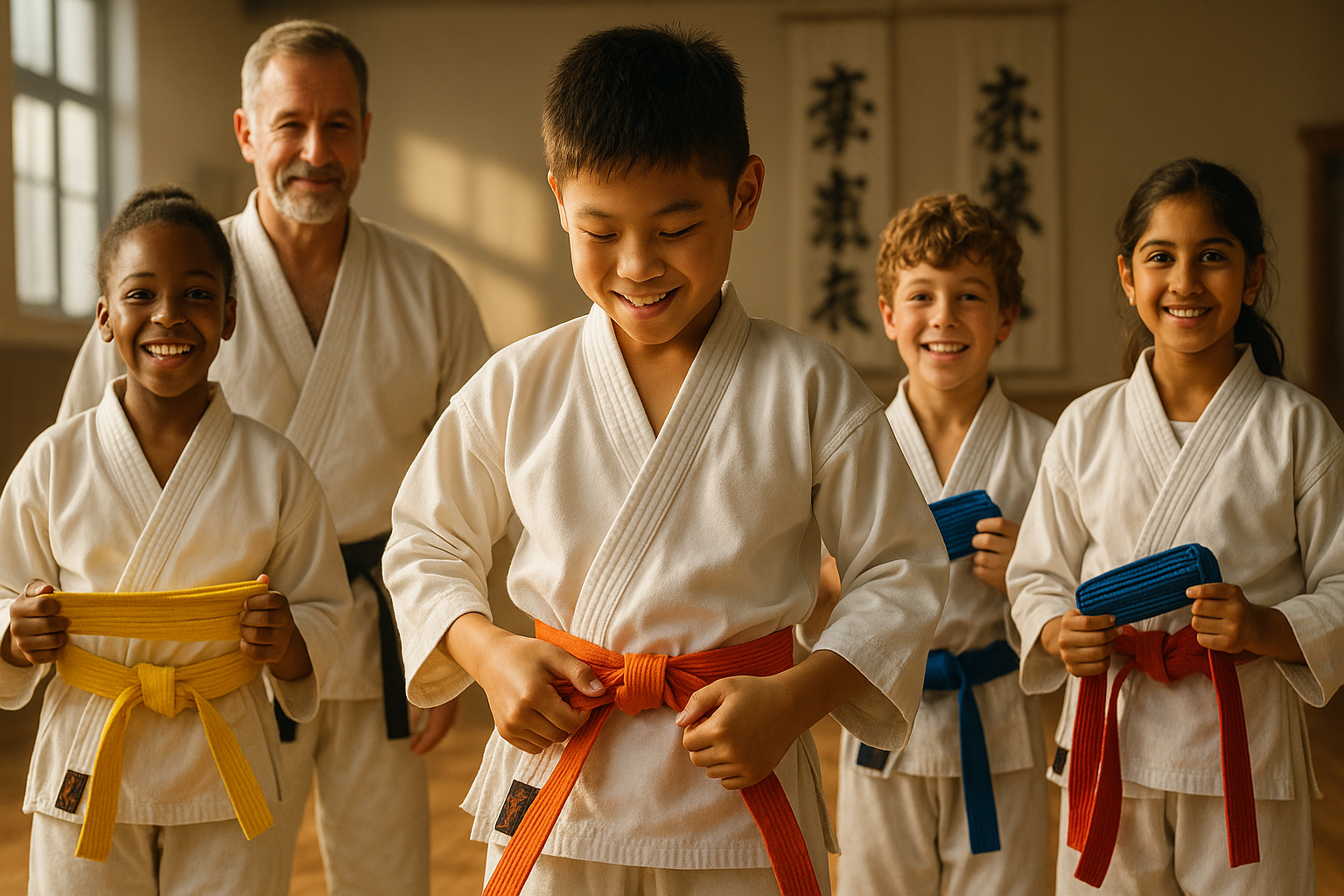
Industries across the world recognize the benefits of martial arts. For instance, schools often incorporate these principles to promote positive behavior in students. At Impact Martial Arts, the programs Little Dragons (ages 3-5) and Kids Martial Arts (ages 6+) demonstrate significant improvements in behavior and emotional control.
The practice helps children connect with their inner strength, leading to improved problem-solving skills and perseverance. These aspects highlight why understanding martial arts as a developmental tool is crucial.
The Complete Guide to Starting Martial Arts Early
Starting martial arts at a young age involves several steps to ensure the child’s success and enjoyment. Here's a guide to navigate this journey effectively:
- Evaluate Readiness : Consider whether your child demonstrates a willingness to participate. This might include interest in movement games or a natural tendency towards active play.
- Choose the Right Program : Programs like the Little Dragons are specifically designed for younger children, offering age-appropriate lessons that cater to their developmental stages.
- Visit the School : A visit to the school, such as Impact Martial Arts in Austin, allows parents to gauge the environment and teaching methods.
- Meet the Instructors : Instructors like those at Impact are trained to work with children, utilizing innovative and progressive teaching methods that are both effective and fun.
- Understand the Curriculum : A well-structured program will focus on building character, discipline, and physical skills progressively.
- Set Realistic Expectations : Understand that progress may vary among children. Encouragement and support are vital to maintaining enthusiasm.
- Engage with Other Parents : Connecting with other parents in classes can provide additional support and insights into the journey.
Starting martial arts at a young age doesn't just teach self-defense; it is an introduction to a healthier lifestyle and a disciplined mindset.
Benefits and Advantages
There are numerous benefits to starting martial arts early in a child’s life. Here are some key advantages:
- Enhanced Focus and Concentration : Children learn to channel their energy effectively, which can improve academic performance.
- Improved Confidence : Achievements in martial arts boost self-esteem, preparing children to tackle challenges.
- Physical Fitness and Coordination : Engaging in martial arts builds strength, flexibility, and coordination, contributing to overall health.
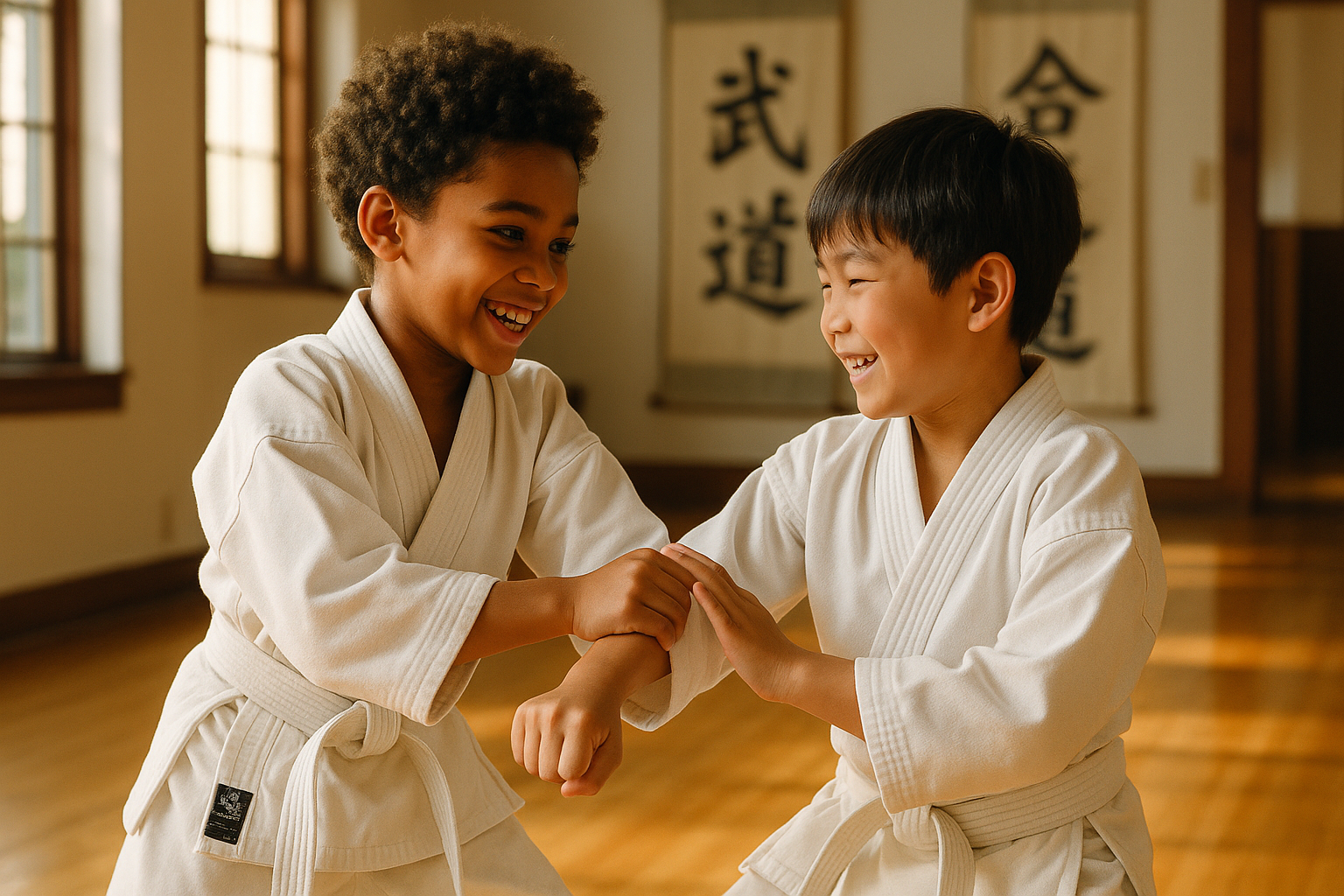
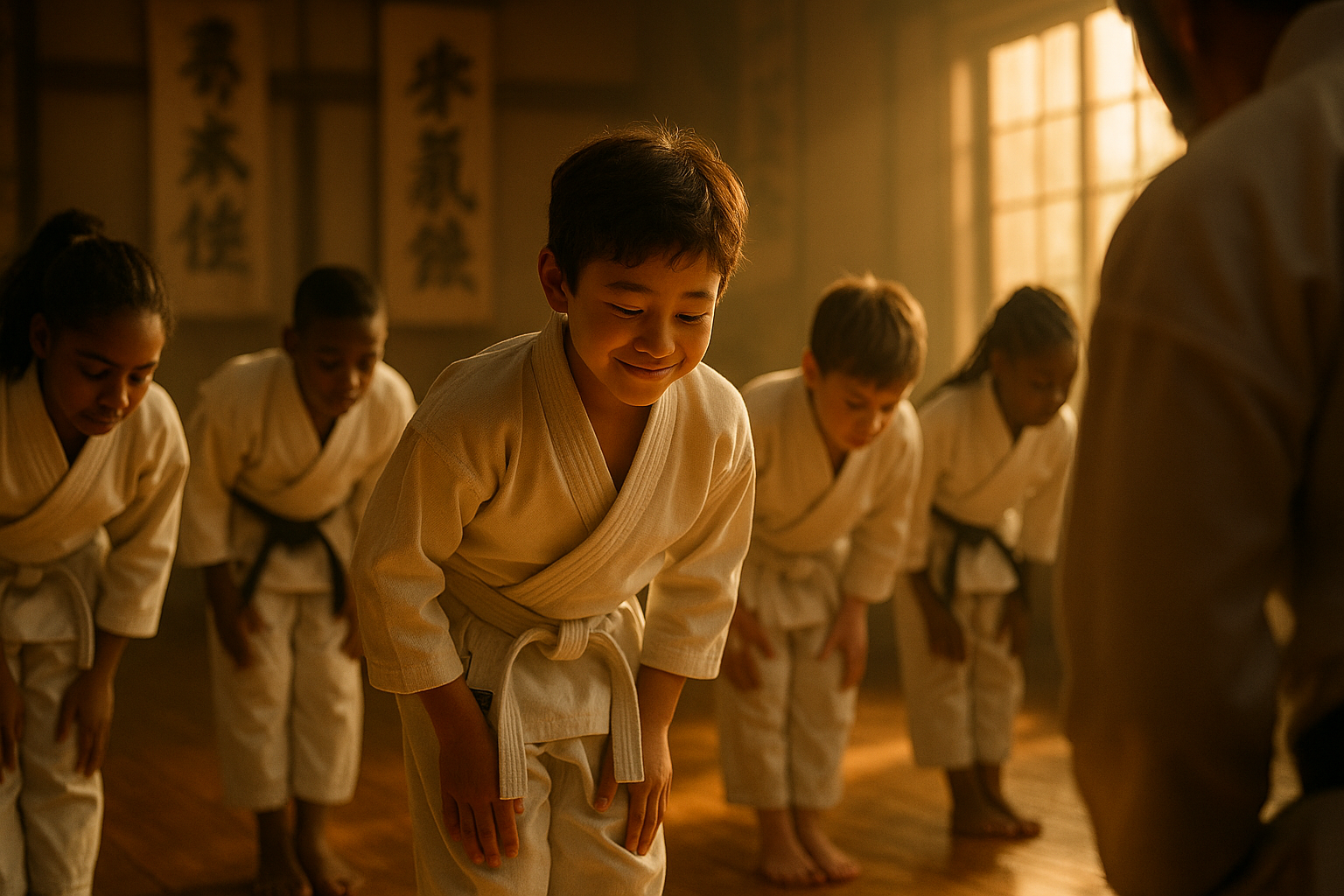
- Respect and Discipline : Children develop an understanding of respect, both for instructors and peers, fostering positive social interactions.
- Stress Relief and Emotional Control : Martial arts provide an outlet for energy and stress, helping children manage their emotions better.
For example, a child who is shy at school may find their voice and confidence through consistent martial arts practice, transforming how they interact socially.
Common Questions and Concerns
Parents often have several questions about starting martial arts, ranging from physical readiness to safety concerns.
- Is my child too young? : Programs like Little Dragons are designed for young children, ensuring age-appropriate learning.
- Will martial arts teach aggression? : Martial arts at Impact Martial Arts focuses on discipline and self-control, not aggression.
- Is it safe? : Safety is a top priority. Instructors are trained to teach techniques with safety in mind, using padded equipment and safe environments.
Stories from families who have benefitted from martial arts provide reassurance. Parents highlight improved behavior and focus in their children as key successes.
Building trust in the process, particularly with experienced institutions like Impact Martial Arts, guides parents towards making a confident decision.
How Impact Martial Arts Helps
Impact Martial Arts in Austin adopts a distinctive approach to teaching martial arts. Their progressive methods and highly trained instructors ensure an enriching experience.
The school offers tailored programs such as Little Dragons for ages 3 to 5, and Kids Martial Arts for ages 6 and above. These programs emphasize character development, discipline, respect, and resilience.
Located in Austin, TX, Impact Martial Arts leverages its local expertise and reputation. With over 20 years of experience, they continue to empower children in Cedar Park, Leander, and surrounding areas.
What sets them apart is their commitment to building not just martial artists, but well-rounded individuals.
Expert Tips and Best Practices
Starting martial arts early can be incredibly beneficial if approached correctly. Here are expert tips to maximize your child’s martial arts journey:
- Consistency is Key : Regular attendance fosters progress and improvement.
- Encourage Practice at Home : Simple drills or stretching can be fun bonding activities.
- Be Supportive : Celebrate achievements, both small and big, to boost confidence.
- Choose Classes Wisely : Look for programs that are specifically designed for your child’s age group.
- Focus on Progress, Not Perfection : Begin with setting achievable goals to maintain motivation.
- Engage with School Activities : Participate in events or showcases to understand what your child is learning.
- Talk About What They Learn : Encourage your child to share their experiences and what they’ve learned.
- Patience Matters : Every child progresses at their own pace. Emphasize the journey, not just the destination.
- Enhance with Other Activities : Complement martial arts with other sports or creative activities for well-rounded development.
By implementing these practices, children can thrive in their martial arts journey, building skills that will serve them throughout their lives.
Cost Considerations and Value
Enrolling in martial arts classes is an investment in your child’s personal development. Here’s what to consider:
- Program Length and Frequency : Regular classes are more beneficial than sporadic attendance.
- Expertise of Instructors : At Impact Martial Arts, instructors are experienced and dedicated to teaching life skills.
- Additional Costs : While tuition is a primary cost, consider uniform and equipment costs as well.
- Value of Life Skills : The skills gained in martial arts contribute significantly to a child’s overall development, offering excellent value.
When evaluating costs, consider the long-term benefits martial arts can provide, shaping confident and disciplined adults.
Conclusion
Starting martial arts early is a decision that can have a lasting, positive impact on a child's development. By engaging with programs like those at Impact Martial Arts, children gain valuable life skills from a young age.
Throughout this journey, children will learn focus, confidence, respect, and physical fitness. These benefits not only aid in their personal development but also in academic and social spheres.
As you consider when your child should start martial arts, remember the unique offerings of Impact Martial Arts. Their proven track record in building individuals with inner strength and determination makes them a top choice in Austin, TX.
Why Choose Impact Martial Arts
Choosing Impact Martial Arts in Austin provides numerous advantages. With over 20 years of experience, they offer age-appropriate classes that focus on character building.
Their commitment to developing not only skilled martial artists but well-rounded individuals is unmatched. By joining Impact Martial Arts, your child will embark on a journey of growth, supported by a facility that prioritizes health, safety, and long-term success.
Consider enrolling your child today to set them on a path of empowerment and achievement, shaping them into confident young leaders in their community.
Advanced Strategies and Techniques
Delving into advanced strategies and techniques for children's martial arts can significantly elevate the learning experience, offering expert-level insights that many parents and young practitioners seek.
Understanding the nuances of martial arts involves more than just techniques; it's about cultivating a mindset geared towards constant improvement. Advanced martial arts training for children incorporates concepts such as variability and adaptability. Expert instructors often utilize a teaching methodology that mixes different styles to provide a well-rounded skill set—an approach that fosters quick decision-making and flexibility in the young practitioner.
One professional secret involves the integration of "pressure testing," where children practice skills in controlled scenarios under varying levels of stress. This method enhances their ability to perform under pressure, boosting confidence and resilience. Additionally, advanced programs encourage students to take leadership roles during practice. This not only fosters a sense of responsibility but also improves communication skills as children learn to instruct their peers.
Moreover, specialized workshops focussing on specific skills such as agility, reaction time, and strategy pushing techniques aim to refine their performance. For example, employing visualization techniques can help young martial artists mentally perfect their forms and sequences, preparing them for both competition and real-life situations.
Encouraging participation in martial arts tournaments is another advanced strategy. When handled with care and emphasis on learning rather than solely on winning, tournaments can offer invaluable experience, teaching children the dynamics of competitive play and sportsmanship.
In sum, integrating these advanced strategies tailors a program that not only improves skill and technique but also nurtures essential life skills such as leadership, adaptability, and resilience.
Real-World Examples and Case Studies
Effectively illustrating the benefits of martial arts for children involves showcasing real-world examples and case studies that demonstrate transformation and achievement.
Concrete Example: Mia’s Progression – Mia, a six-year-old with attention difficulties, joined the Kids Martial Arts program at Impact Martial Arts. Initially distracted, her journey started with focused attention exercises. Over six months, Mia’s ability to concentrate improved remarkably. Her parents reported better homework engagement and an increased ability to follow multi-step instructions—a transformation that directly translated into improved academic performance.
Before/After Scenario: Jake’s Confidence Surge – Consider Jake, a timid eight-year-old who was reluctant to speak up in class. After a year of consistent training, focusing on building confidence through gradual exposure to leadership roles in class, Jake’s communication skills flourished. His parents noticed a dramatic shift during family gatherings, wherein Jake began participating actively in conversations, reflecting a significant surge in self-confidence.
Practical Application: Diversity in Skills – Martial arts taught at Impact Martial Arts integrate practical self-defense techniques applicable in real-world scenarios. For instance, during a case study involving a simulated school setting, participants successfully utilized de-escalation skills learned in class to manage conflicts, which highlighted the real-world applicability of their training.
Success Story: Emma’s Leadership Development – Emma’s story from the Little Dragons program illustrates leadership development through martial arts. Once a follower in her peer group, Emma quickly advanced to become a respected leader, both in her martial arts class and at her local community center events. This change was attributed to her instructors’ focus on developing character and leadership skills as much as physical martial arts techniques.
These case studies provide tangible proof of the positive impact martial arts can have on children, highlighting improvements in academic performance, confidence, real-world applications of self-discipline, and leadership skills.
Industry Trends and Future Outlook
Martial arts for children, as an industry, is experiencing dynamic changes, with current trends and future outlooks focusing on innovation, accessibility, and cross-disciplinary benefits.
Current Market Trends – There's a shift towards hybrid martial arts systems that fuse techniques from various traditional styles, appealing to parents seeking comprehensive training for their children. The rise of virtual and augmented reality in martial arts training has also added an interactive component, offering children a technology-enhanced learning experience that is both engaging and effective.
Future Predictions – In the future, the integration of technology will likely play a larger role, with advancements possibly leading to personalized training applications that can track progress and adapt lessons to optimize learning outcomes. Moreover, industry experts predict an increased emphasis on mental health benefits, positioning martial arts as a holistic approach to child development.
What's Changing? – The industry is moving towards a more inclusive approach, welcoming children with varying physical abilities and learning challenges, thereby broadening the demographic reach. There's also a growing emphasis on environmental sustainability in martial arts dojos, promoting eco-friendly practices and awareness among children.
Staying Ahead – To remain at the forefront, martial arts institutions must focus on continuous innovation and adhere to evolving pedagogical practices. Staying informed about psychological research pertaining to child development and incorporating findings into teaching methods will be key. Partnerships with schools and education-oriented organizations might also provide integrated programs that blend academic and martial arts curriculums.
These trends and predictions highlight the evolving nature of martial arts practice for children and emphasize the need for ongoing adaptation and forward-thinking to remain relevant and effective.
Frequently Asked Questions
Here are some frequently asked questions about martial arts for children, complete with comprehensive answers to address common concerns.
What is the ideal starting age for martial arts?
At Impact Martial Arts, the ideal starting age is as young as three years old. Children at this age can greatly benefit from structured programs that are tailored to their developmental stage, such as the Little Dragons program. These programs not only focus on basic physical techniques but also foster foundational skills like focus, discipline, and respect.
How often should my child attend martial arts classes?
Consistency is key in martial arts. Typically, children should attend at least two to three classes per week to experience the best benefits. This frequency helps maintain a steady progression in skills, ensures the retention of techniques, and reinforces learned values such as discipline and respect.
Will martial arts training interfere with my child's academics?
Rather than interfering, martial arts often complement academic pursuits. The discipline, focus, and time management skills developed through martial arts can translate into academic success. Upon enrolling in martial arts classes, many parents report improved concentration and study habits in their children, resulting in better performance in school.
Can martial arts help with my child's social skills?
Yes, martial arts can greatly enhance social skills. By participating in group classes, children learn to communicate effectively, work within a team, and develop leadership abilities. The practice also fosters a sense of camaraderie and mutual respect among peers, helping shy children become more socially active and confident.
What precautions are taken to ensure my child's safety in martial arts classes?
Safety in martial arts starts with well-trained instructors who prioritize teaching age-appropriate techniques with safety in mind. At Impact Martial Arts, classes are held in environments equipped with padded floors, and children use protected gear. Instructors also monitor techniques closely to prevent injuries and adapt training to suit individual capabilities and limitations.
How can I support my child's martial arts journey at home?
Supporting your child’s martial arts journey involves encouraging practice and discussing what they've learned. Set aside a designated practice area or attend martial arts events to show your interest. Recognizing their achievements, no matter how small, also boosts their confidence and enhances their learning experience.
Ready to help your child build focus, discipline, and confidence? Our Kids Martial Arts program transforms lives on and off the mat. Claim our introductory program now!